
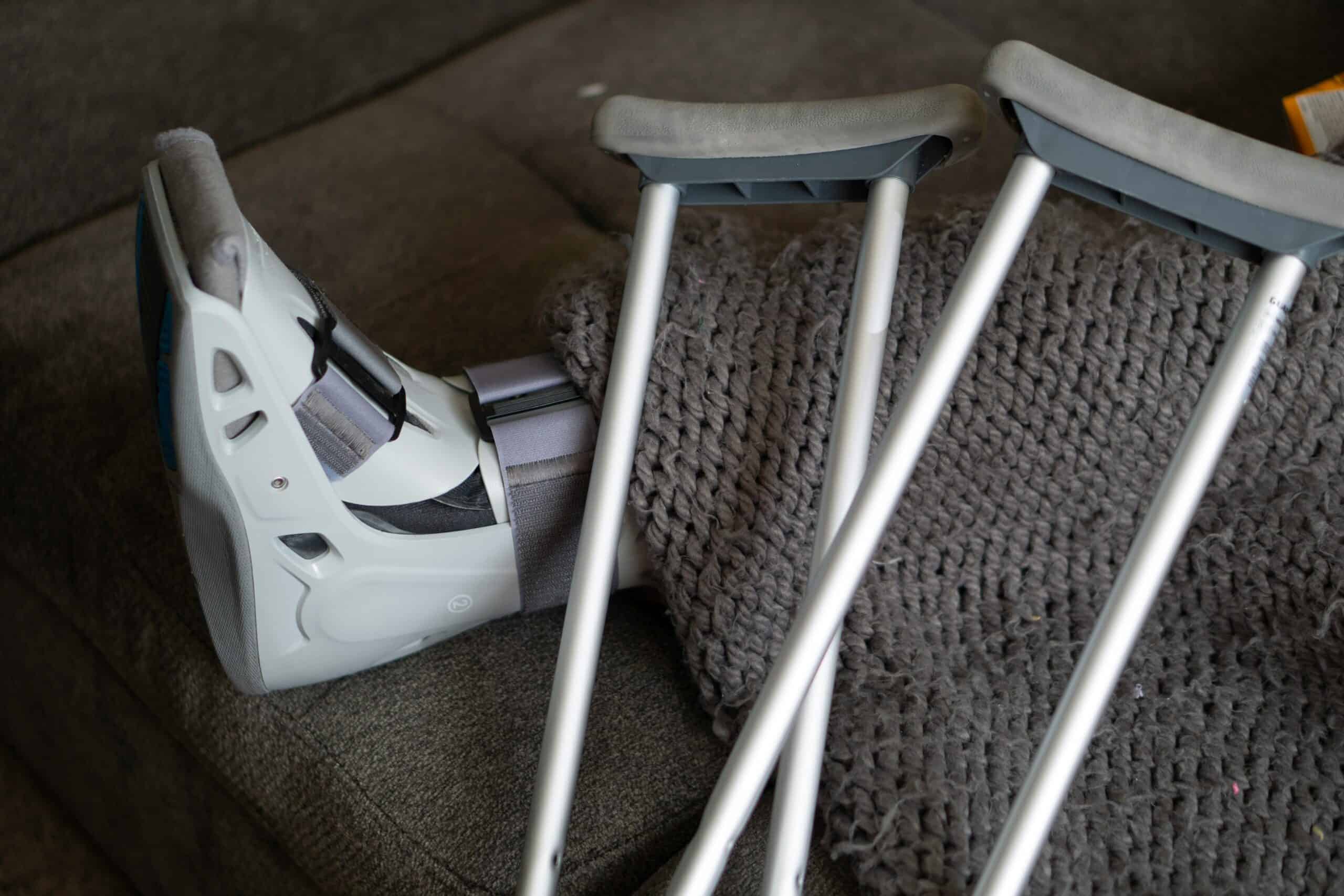
Coming home after surgery should feel like a relief – but for many patients and their families, it can also feel daunting. Whether you have had a hip replacement, heart surgery or a major abdominal procedure, the days and weeks that follow are critical to a successful recovery. Having the right professional support at home during this period can make all the difference between a smooth recuperation and an avoidable setback.
At Golders Green Nursing, we have been providing post-operative home care across North and Central London since 1990. As a nurse-led, CQC-registered agency, we understand that what happens after you leave the hospital matters just as much as the surgery itself. In this guide, we explain what post-surgical nursing involves, why recovering at home with professional support is often the best option, and how to plan ahead so that your transition from hospital to home is as seamless as possible.
Common Surgeries That Benefit From Home Nursing
Almost any surgical procedure can benefit from a period of professional nursing care at home, but some operations carry particular demands during the recovery phase. The types of surgery we most frequently support include:
Orthopaedic Surgery
Hip and knee replacements are among the most common planned surgeries in the UK, and recovery typically involves wound care, pain management, physiotherapy exercises and gradual mobilisation. Patients often need hands-on assistance with daily tasks such as bathing, dressing and moving around the home safely during the first few weeks.
Cardiac Surgery
Procedures such as coronary artery bypass grafts, valve replacements and pacemaker insertions require careful monitoring during recovery. Patients may need support with sternal wound care, medication management and observing for warning signs such as infection, irregular heart rhythm or fluid retention.
Abdominal and Gastrointestinal Surgery
Whether following a bowel resection, hernia repair or gallbladder removal, abdominal surgery patients often face restrictions on lifting, driving and physical activity. Wound care, nutritional support and stoma management may also be needed.
Cancer-Related Surgery
Patients recovering from mastectomy, prostatectomy or other oncological procedures frequently require specialist wound and drain management, alongside emotional support during what is often a particularly challenging time.
Gynaecological and Urological Surgery
Hysterectomy, bladder surgery and related procedures can involve catheter care, wound management and careful monitoring for post-operative complications.
Whatever the procedure, the principle remains the same: skilled nursing care during the recovery period helps to prevent complications, manage symptoms and give patients the confidence to heal at their own pace.
What Does Post-Operative Nursing at Home Include?
Post-surgical nursing is far more than simply checking in on a patient. It is a structured programme of clinical care, tailored to the individual and the demands of their specific procedure. When you choose Golders Green Nursing for your post-operative care, your support may include:
Wound Care and Surgical Site Monitoring
Proper wound management is one of the most important elements of post-surgical recovery. Our nurses carry out dressing changes, monitor for signs of infection – such as redness, swelling, unusual discharge or raised temperature – and liaise with your surgical team if any concerns arise. For patients with surgical drains, clips or sutures that need removal, we can manage this at home so that you do not need to travel back to the hospital unnecessarily.
Medication Management
After surgery, patients are often discharged with a complex medication regimen – painkillers, antibiotics, anticoagulants and other drugs that must be taken at specific times and in the correct doses. Our nurses ensure that medications are administered properly, watch for side effects and coordinate with your GP or consultant if adjustments are needed.
IV Therapy and Injections
Some patients require intravenous antibiotics, hydration or other treatments after leaving hospital. Our team includes nurses experienced in IV therapy and subcutaneous injections, allowing these treatments to continue safely in the comfort of your own home.
Mobility Support and Falls Prevention
Regaining confidence with movement is a gradual process after surgery. Our care team assists with transfers, walking and exercises prescribed by your physiotherapist, while also assessing your home environment to reduce the risk of falls.
Personal Care and Daily Living Support
In the early days of recovery, tasks such as bathing, dressing and preparing meals can be difficult or impossible to manage alone. Our carers provide dignified, respectful assistance so that you can focus on getting better without placing undue strain on family members.
Observations and Clinical Monitoring
Our district nursing team carries out regular clinical observations – including blood pressure, pulse, temperature and oxygen saturation – to identify any early signs of complications such as infection, blood clots or adverse reactions to medication.
The Benefits of Recovering at Home
There is growing evidence that patients who recover at home with appropriate professional support often do better than those who remain in hospital longer than clinically necessary. Here are some of the key advantages:
Comfort and Familiarity
Being in your own home – surrounded by your belongings, sleeping in your own bed and having your family nearby – has a genuine positive effect on wellbeing. Patients tend to sleep better, eat better and feel less anxious when they are in familiar surroundings, all of which contribute to faster healing.
Reduced Risk of Hospital-Acquired Infection
Hospitals, by their very nature, expose patients to a higher concentration of infectious organisms. Recovering at home significantly reduces your exposure to hospital-acquired infections such as MRSA and Clostridium difficile, which can be particularly dangerous for patients with surgical wounds or weakened immune systems.
Personalised, One-to-One Care
In a busy hospital ward, nursing staff are responsible for multiple patients at once. At home, your nurse is focused entirely on you. This means more attentive monitoring, more time to discuss how you are feeling and a care plan that adapts to your progress rather than fitting around ward routines.
Lower Risk of Readmission
One of the most significant benefits of professional post-operative home care is the reduction in unplanned hospital readmissions. When a qualified nurse is monitoring your recovery, potential problems – a wound that is not healing properly, a medication that is causing side effects, early signs of a blood clot – can be identified and addressed before they escalate into an emergency. This proactive approach keeps patients safer and avoids the disruption and distress of an unexpected return to hospital.
Support for the Whole Family
Surgery affects the entire household, not just the patient. Partners and family members often find themselves thrust into a caring role they feel unprepared for. Professional nursing care takes the clinical responsibility off their shoulders, allowing them to be family rather than carers. We also offer respite care for families who are sharing the caring role and need a break to recharge.
Typical Recovery Timelines
Every patient recovers at a different pace, and your surgical team will give you guidance specific to your procedure. However, the following general timelines can help with planning:
- Hip or knee replacement: Most patients need daily or twice-daily nursing visits for the first one to two weeks, reducing to several times a week for a further four to six weeks. Full recovery typically takes three to six months.
- Cardiac surgery: Intensive nursing support is usually needed for the first two to four weeks, with ongoing monitoring for six to twelve weeks. Sternal wound healing alone takes approximately six to eight weeks.
- Abdominal surgery: Depending on the procedure, nursing visits may be required for one to three weeks, with full recovery taking six to twelve weeks.
- Cancer surgery: Recovery timelines vary widely depending on the type and extent of surgery, as well as whether further treatment such as chemotherapy or radiotherapy follows. Nursing support may be needed for several weeks or longer.
We work with you and your medical team to build a care plan that reflects your individual needs, adjusting the level of support as your recovery progresses.
Preparing Your Home for Post-Surgery Recovery
A little preparation before your surgery can make the recovery period much easier. Here are some practical steps to consider:
- Set up a recovery space: Choose a room on the ground floor if possible, particularly after hip, knee or abdominal surgery, to avoid unnecessary stair climbing in the early days.
- Remove trip hazards: Loose rugs, trailing cables and clutter on the floor all increase the risk of falls. Clear pathways through your home, especially between the bedroom, bathroom and kitchen.
- Stock up on essentials: Fill your fridge and freezer with easy-to-prepare meals before your admission. Make sure you have enough of your regular medications to last the first week or two.
- Arrange equipment: Your hospital or physiotherapist may recommend aids such as a raised toilet seat, grab rails, a shower stool or a bed rail. Arrange for these to be installed before you come home.
- Plan your support: Confirm your home nursing arrangements in advance so that everything is in place for the day you are discharged.
Our team can advise on home preparation as part of your pre-surgery planning, so you can focus on your procedure with peace of mind.
How Golders Green Nursing Coordinates Your Hospital-to-Home Discharge
One of the most stressful aspects of surgery for families is the discharge process – particularly when it happens quickly and there is little time to organise care. This is where working with an experienced, nurse-led agency makes a real difference.
Golders Green Nursing has established working relationships with many of London’s leading private hospitals, including The Wellington, The London Clinic, King Edward VII’s Hospital, The Cromwell Hospital and The Lister Hospital. We regularly coordinate with hospital discharge teams, consultants and ward nurses to ensure that the transition from hospital to home is planned, smooth and safe.
Here is how our discharge coordination works:
- Pre-surgery consultation: Wherever possible, we like to begin planning before your surgery takes place. We discuss your likely care needs, assess your home environment and put a provisional care plan in place.
- Hospital liaison: We communicate directly with your hospital team to obtain discharge summaries, wound care instructions, medication lists and any specific clinical guidance for your ongoing care.
- Nurse-led assessment: A senior nurse reviews your care requirements and matches you with the right team – ensuring that the nurses and carers assigned to you have the skills and experience relevant to your procedure.
- Same-day or next-day start: We understand that discharge dates can change at short notice. Our team is experienced in mobilising quickly so that care is in place when you arrive home, not days later.
- Ongoing coordination: Throughout your recovery, we maintain communication with your consultant, GP and any other healthcare professionals involved in your care. If anything changes – a wound that needs further attention, a medication that needs adjusting – we escalate promptly and appropriately.
This level of clinical coordination is one of the key advantages of choosing a nurse-led agency. Because our leadership team are registered nurses themselves, they understand the clinical detail of your care in a way that non-clinical agencies simply cannot match.
Why Choose a Nurse-Led Agency?
Not all home care agencies are the same. When you are recovering from surgery, the distinction between a nurse-led service and a standard domiciliary care provider is an important one.
At Golders Green Nursing, every care plan is developed and overseen by qualified nurses. This means that clinical decisions – about wound care, medication, when to escalate a concern – are made by professionals with the training and experience to get them right. Our CQC registration reflects our commitment to maintaining the highest standards of safety, governance and clinical care.
As a family-run agency with over 35 years of experience, we combine clinical rigour with a genuinely personal approach. We know that recovering from surgery is not just a medical process – it is an emotional one too. Our team takes the time to listen, to reassure and to treat every patient with the kindness and respect they deserve.
Plan Your Recovery With Confidence
If you or a family member has surgery planned – or if you have recently been discharged and need support at home – we are here to help. Our team can arrange post-operative nursing care quickly, often within 24 hours, and we are happy to discuss your needs at any stage of the process.
Call us on 0208 371 9592 or email [email protected] to speak with a member of our nursing team. We will listen to your situation, answer your questions and help you put a plan in place so that you can focus on what matters most – getting better.